
Camping by the water is one of the easiest ways to make a trip feel like a getaway. The trick is the spot you pick.
It’s less about the prettiest view than a few practical things that make the night comfortable.
Start with flat, dry ground
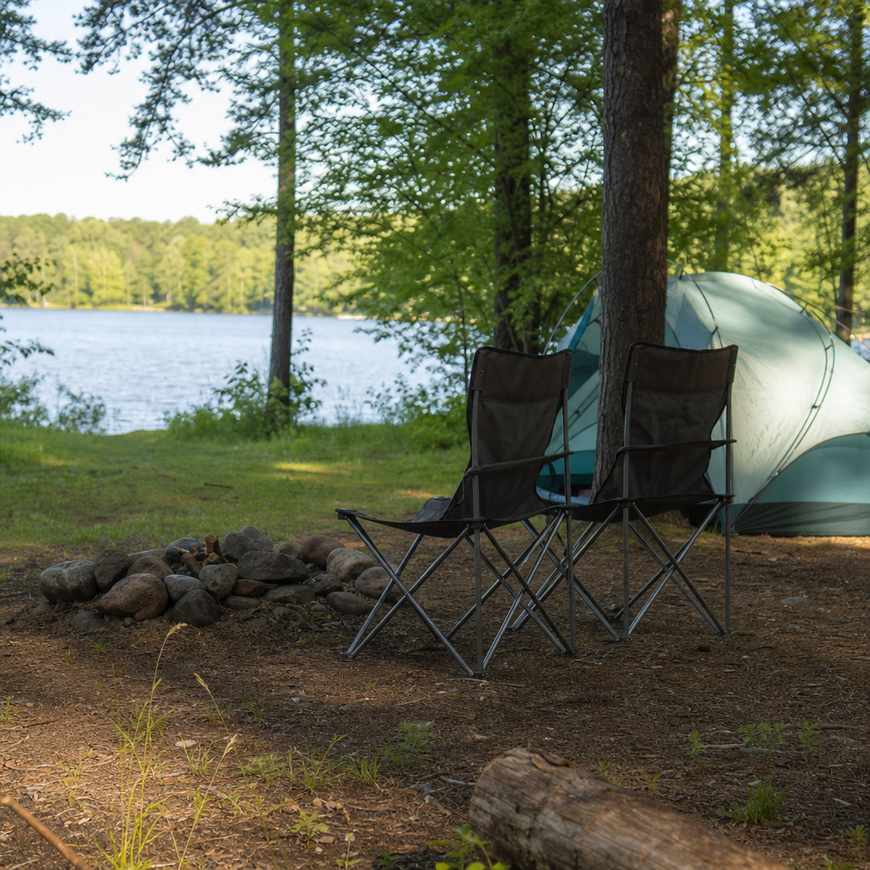
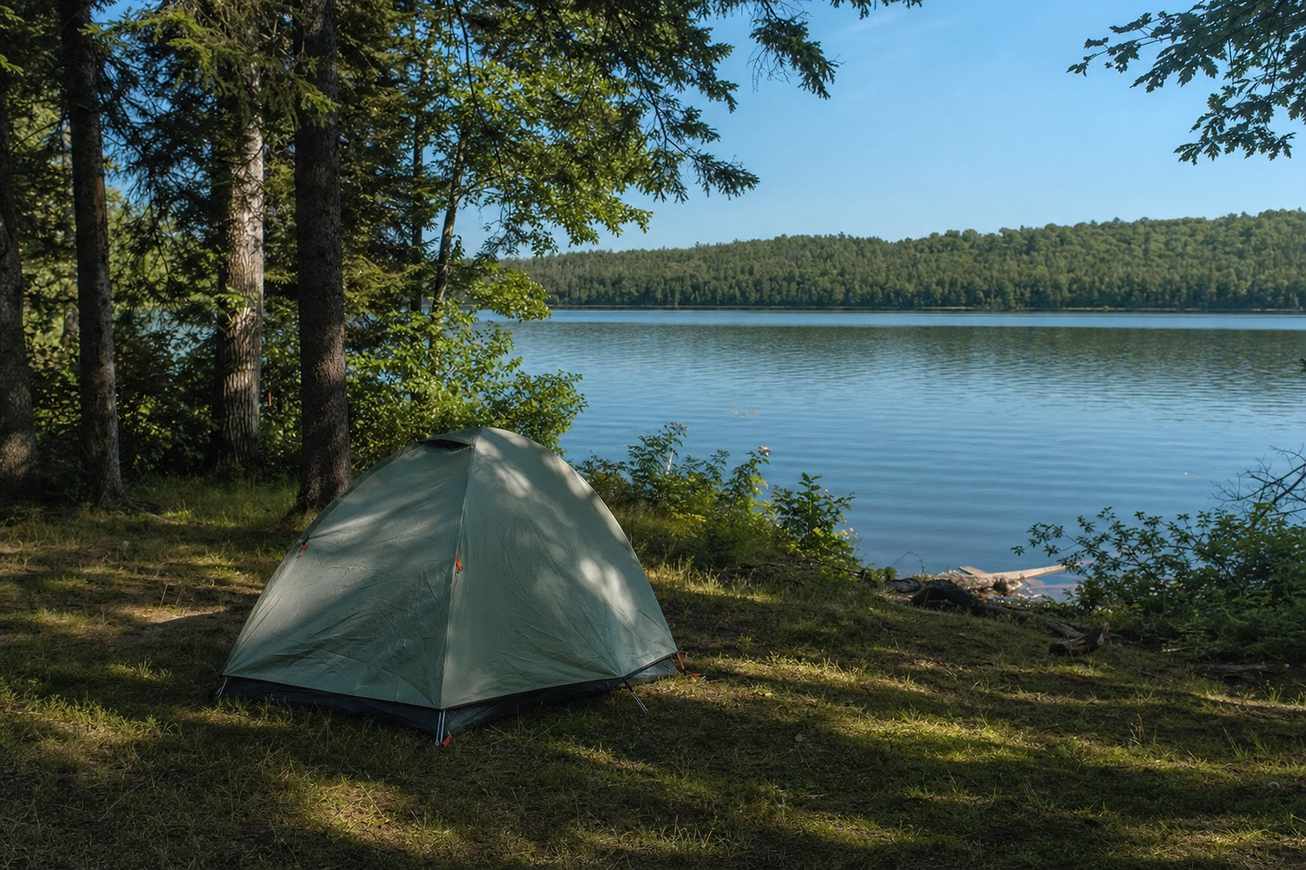
Pick a shoreline spot for shade, flat ground, and an easy walk back to the car. Look for level ground a little above the waterline, not the low spot where rain and dew collect. A flat pad means better sleep and a tent that stays put.
Set up far enough back that a rising lake or heavy dew doesn’t reach you. A few steps back from the shore beats a soggy morning.
Find shade and a windbreak
Morning sun turns a tent into an oven early. A site with tree cover to the east stays cooler longer.
A natural windbreak, like a stand of trees, makes a real difference on an open shoreline.
Mind the walk and the water access
A site close to parking is worth a lot when you’re carrying gear and a cooler. You still want easy water access, but you don’t need to be right on top of it.
Check the rules before you go
Check the fees, reservations, and rules before you drive out. Many lakeside campgrounds require booking a specific site, and dispersed camping has its own rules about how close to the water you can camp.
State park and public-land sites usually list this online. Most first-timers rent or borrow the bigger gear, so you don’t need to own a tent and pads to start.
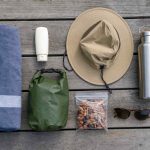
For what to bring, what to pack for a day at the lake covers the basics; for a night, add warm layers and bug spray. For the wider trip, planning an easy lake day works the same way.
Flat ground, shade, an easy walk, and a quick rules check. Get those right and the view is a bonus.