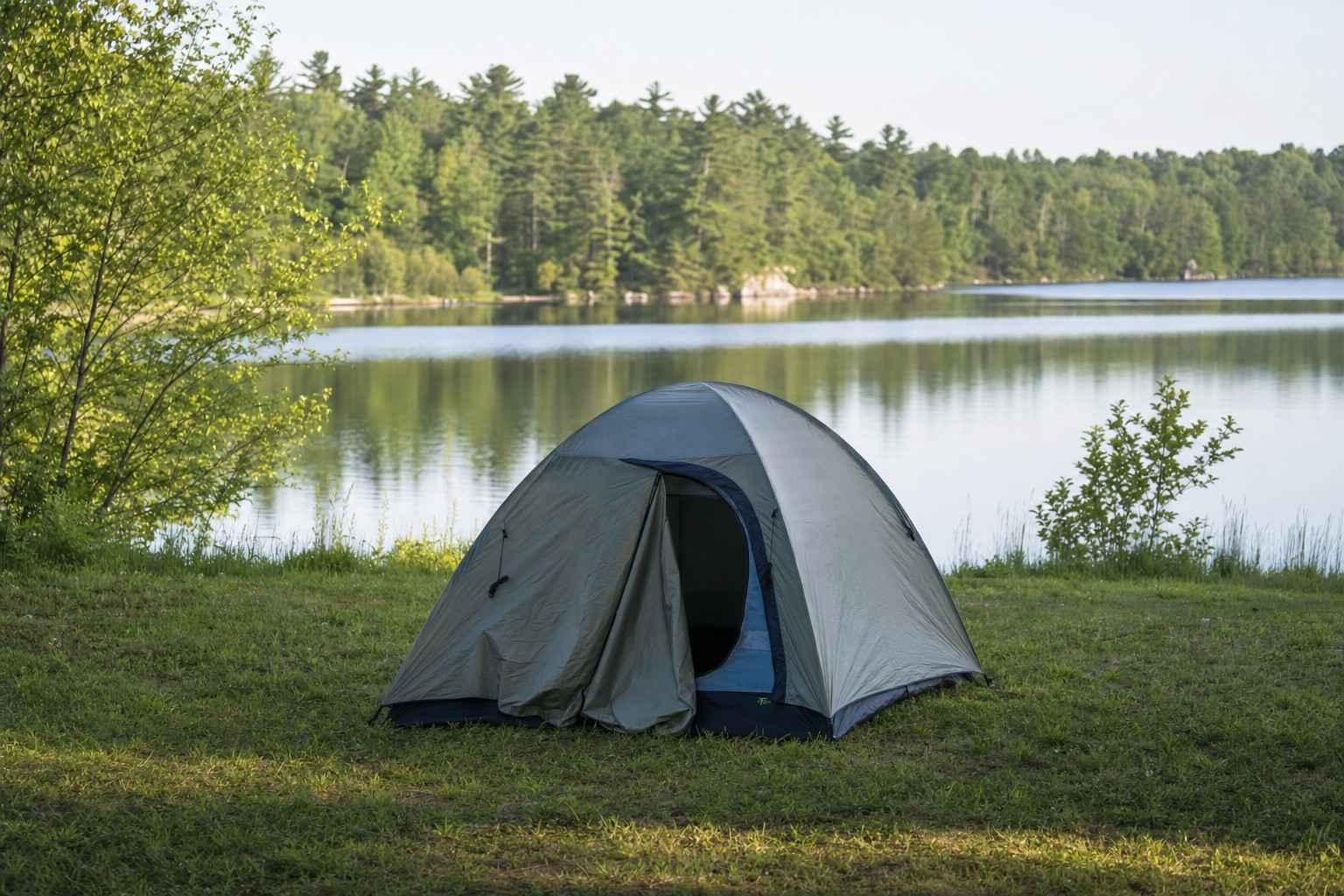

A shoreline looks like open ground. In practice it’s a legal patchwork, and whether you can camp there depends almost entirely on who manages the water.
The same stretch of lakeshore can be free-form camping on one kind of public land and designated sites only on another, with private shore mixed in.
The contrast is real. The Army Corps of Engineers manages more than 400 lake and river projects across 43 states, and at nearly all of them camping means a developed site you book ahead. A mile away on Bureau of Land Management land, you might set up almost anywhere, for free, within the rules.
Whether you can camp on a shoreline comes down to who manages the water. Most people never check until a ranger or a landowner tells them otherwise.
That part is easy to avoid.
Check the rules and hours before you drive out, many lakes and launches close at dusk.
Who manages the water decides the rules
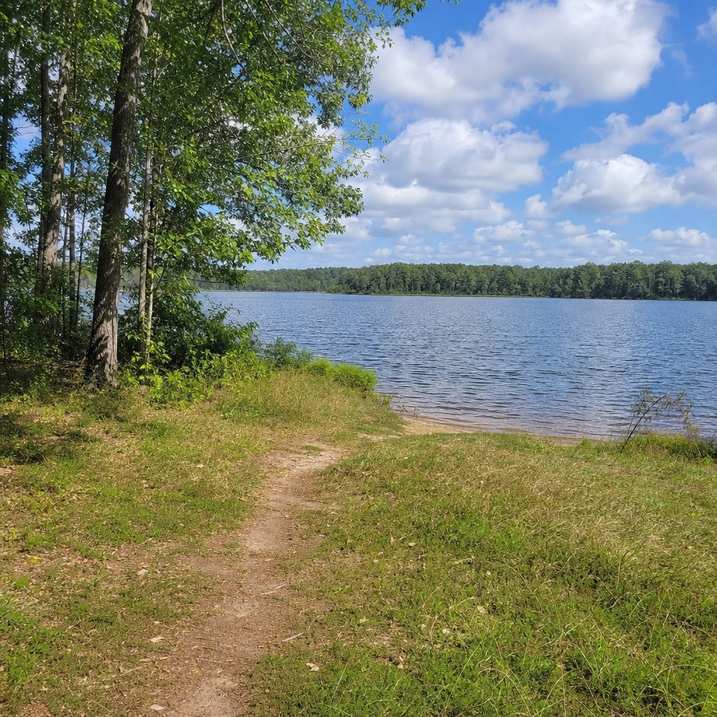
The most useful question you can ask before a trip is a simple one. Who’s in charge here?
Federal agencies each have their own camping framework. So do state agencies. Private land along the shore is its own category entirely.
There’s no single rule that covers all of it.
Once you know the managing agency, though, the rules are easy to find. Most are posted online, or one phone call away. The sections below cover the cases you’re most likely to run into.
The 14-day, 200-foot rules for dispersed camping
On much Bureau of Land Management land, you can camp outside developed campgrounds. This is called dispersed camping, and it’s often free.
According to the Bureau of Land Management, the rules generally include:
- Stay limits of around 14 days within any 28-day period
- Camp at least 200 feet from lakes, rivers, and streams to protect water quality
- Use spots that have already been used rather than clearing new ground
- Pack everything out, including waste
The list is manageable. The catch is that stay limits and other details vary by field office, so the national framework is a starting point, not the final word.
National forests work much the same way, according to the U.S. Forest Service. Dispersed camping is allowed in many areas, with a stay limit (commonly around 14 days) and a setback from water.
The exact distance varies by forest, often 100 to 200 feet. The local district office can confirm what applies.
The 200-foot setback from water is the rule most people miss. It’s worth pacing out before you unpack.
Corps lakes and state parks mean designated sites only
At lakes run by the U.S. Army Corps of Engineers, the setup flips. Camping is in designated campgrounds and developed sites, not free-form along the shore.
You pick a site, you book it, and that’s where you stay.
State park lakes work the same way. Camping almost always means a numbered, reservable site, booked ahead, with the rules posted and enforced.
So for a reservoir or a state park lake, plan on reserving early. A sign at the boat ramp usually lists the campground and a contact, but checking before you leave beats finding out in the parking lot.
Knowing it’s allowed and choosing a good shoreline campsite are two different problems. Pick a shoreline spot for shade, flat ground and an easy walk back to the car. Just confirm it’s a legal place to be first.
The invisible line between public and private shore
Even when the land behind a shoreline is private, the water’s edge may not be.
Under the public trust doctrine, the bed and banks of navigable waters are held in trust for the public, even where private land sits above them. Wisconsin’s DNR explains it with a wide definition: navigable waters include essentially any water you can float a small craft on at some point in the year.
The boundary is usually the ordinary high water mark.
That’s the line where the bank changes, where the soil and the plant life shift. It’s often visible once you know to look for it.
Here’s the part that trips people up. The public trust doctrine varies a lot by state. Some states are generous about public shoreline access, others much less so.
So the idea sets expectations. It doesn’t hand you a blanket right to camp.
What it means in practice is narrow but useful. The wet edge of a lake can be public even when the dry land behind it belongs to someone else.
The reverse matters more, though. A quiet, empty-looking shoreline can still be private land above the high water mark, so don’t assume it’s open.
How to check before you go
It comes down to three quick steps before you leave.
Start with who manages the lake. A search for the lake’s name plus “recreation” or “camping” usually surfaces the agency in the first few results. From there, find the specific unit, like the field office, the ranger district, or the park.
If the website isn’t clear, call. One call to a local ranger station or field office tells you whether dispersed camping is allowed, what the setback is, and whether anything is closed.
Then read the signs when you arrive. Posted notices at boat ramps and trailheads reflect current conditions better than a page that hasn’t been touched in a year.
A first night camping by the water is easier when the where-can-I-camp question is settled before you leave. The same goes if you’re planning the wider lake day, where land status is one of the first things to sort.
The rules are less complicated than the patchwork makes them sound. Once you know who manages the lake, most of the questions answer themselves.