
Most summer lake swims go exactly the way you’d hope. This is about the one surprise that catches people off guard, even on a beautiful day.
You’ve probably felt it.
Your legs are warm in the shallows, then your feet drop and something colder wraps around them.
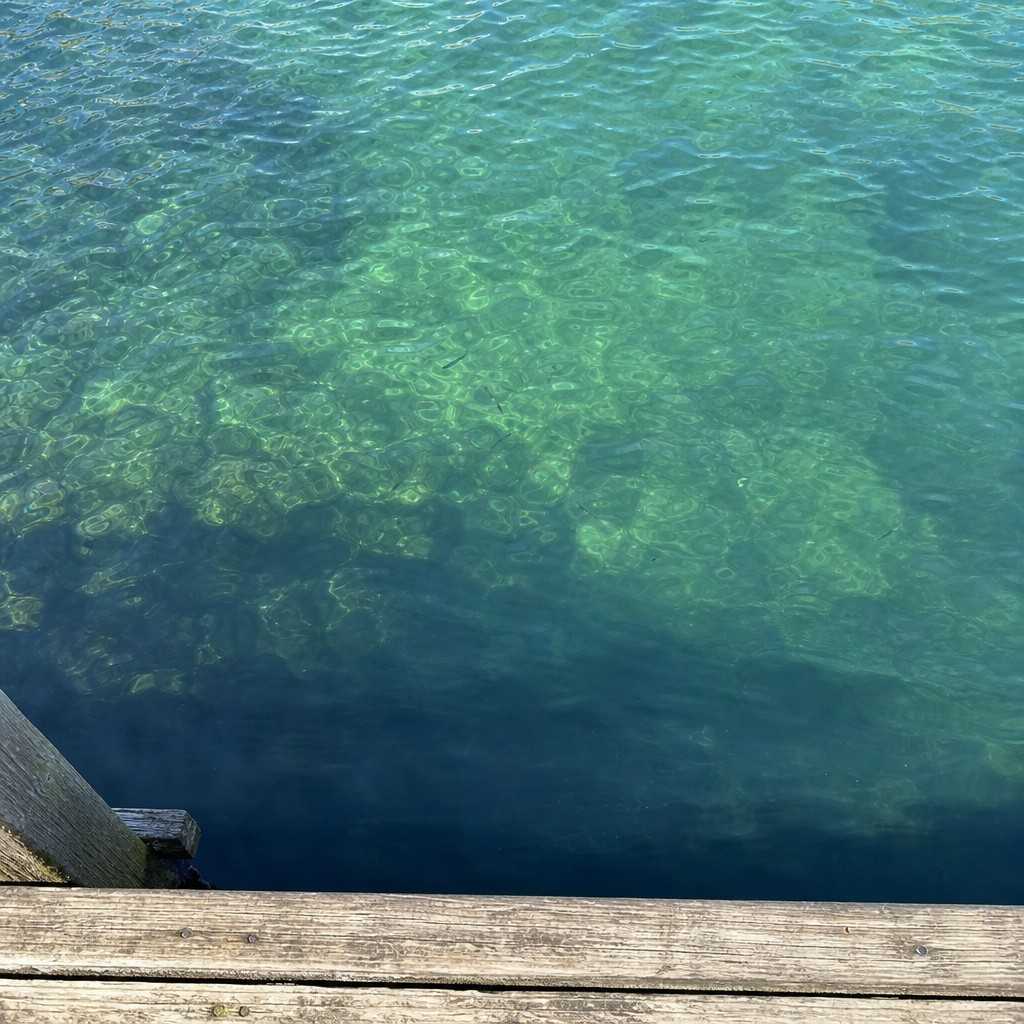
That layering is real. According to the U.S. Geological Survey, “in summer, the top of the lake becomes warmer than the lower layers.” The surface soaks up the sun while the water below stays cold.
Step off a dock into deeper water, or fall off a boat, and you can drop into water far colder than the surface led you to expect.
That gap is what this piece is about.
Why a hot day doesn’t mean a warm lake
The National Weather Service puts it plainly: “warm air temperatures can create a false sense of security.” Water warms slowly, and it lags well behind the air, sometimes by weeks.
A late-May or early-June lake can sit in genuinely cold water even when the thermometer reads 80 and the sky is clear.
The surface layer you touch at the dock is not the whole lake. The deeper you go, the colder it gets, and that gap widens as summer goes on.
This matters most when you go in unexpectedly, without meaning to and without bracing for it.
What cold shock actually does to your body
Most people picture hypothermia when they think about cold water. Hypothermia is real, but it takes time to set in.
The danger in the first moments is something else.
When your body hits cold water, the response is immediate and involuntary. The National Weather Service describes cold shock as causing “dramatic changes in breathing, heart rate and blood pressure,” followed by an uncontrollable gasp and rapid breathing.
That phase lasts through the first 2 to 3 minutes or more. As the agency notes, “the sudden gasp and rapid breathing alone creates a greater risk of drowning, even for confident swimmers in calm waters.”
If your head is underwater during that first gasp, you breathe in water.
That gasp, not hypothermia, is what makes cold water dangerous in the first minutes. People who get into trouble fast usually aren’t overcome by the cold itself. They’re undone by a breathing response they didn’t see coming.
Cold water experts at the National Center for Cold Water Safety note that cold shock doesn’t require icy water. Water in the 50s and low 60s Fahrenheit is enough for most people, and the response can begin in water as warm as around 70.
Many lakes hold those temperatures well into early summer, especially below the warm surface layer.
What to do if you go in unexpectedly
The advice is simple, and it helps to think it through before you ever need it.
- Don’t panic. The gasp and racing breath are automatic, but they pass. Knowing that ahead of time helps.
- Keep your head up. Get your face clear of the water and focus on that before anything else.
- Wait it out. Give the cold shock a minute or so to ease and your breathing to settle.
- Then swim, or hold on. Once you’re breathing normally, move toward shore, a dock, or the boat with short, calm strokes.
The reflex passes. Your job is to keep your airway clear until it does.
Easing into the water instead of jumping or diving gives your body a few seconds to register the cold. It’s not a rule, just a sensible habit in water you haven’t tested.
If you’re curious about how lake swimming differs from a pool, this temperature layering is one of the bigger practical differences, and it’s worth knowing before your first open-water swim of the season.
The one thing that changes the outcome
A life jacket that fits is the one thing worth checking every time.
The National Weather Service is direct on this: “wearing a life jacket significantly increases chances of survival.”
The reason is mechanical. A life jacket keeps your head above water through the gasp reflex. It buys you the seconds you need to get your breathing back without fighting to stay at the surface.
It’s the same point that runs through what actually prevents lake drownings. A life jacket doesn’t care how strong a swimmer you are or how warm the day feels. It just keeps your airway where it needs to be.
Cold shock isn’t the only lakeside hazard that arrives without warning. There’s another one you can’t see around docks and marinas, worth a look if you spend time near boat launches or pilings.
Before you go in
None of this adds much to a lake day. A few habits cover it:
- Check the actual water temperature, not just the forecast. Many weather apps and state fish and wildlife agencies post surface temps.
- If the lake is running cold, ease in rather than jumping.
- Wear a life jacket on the water, and make sure it fits.
- Off a dock or a drop-off, remember the warm surface isn’t the whole picture.
Calm, flat water is the place to start, save wind and waves for later. A sheltered cove on a settled afternoon is where the stakes are lowest and the day is easiest to enjoy.
Most lake days are exactly what they look like from shore: a good time. Knowing about cold shock doesn’t change that.
It just means you won’t be caught off guard by the one thing worth knowing.