
Most lake drownings come down to a short list of factors, and almost every one of them is avoidable.
Every year in the United States there are over 4,000 unintentional drowning deaths, according to the CDC. The number looks frightening on a page. What’s useful is what sits behind it, because the same few factors show up again and again, and most of them are things you settle before you ever get in the water.
A calm lake is one of the most forgiving places to spend a day outdoors. The point here isn’t to make it feel risky. It’s to show what the data says actually keeps people safe.
The biggest single factor is a life jacket
One figure stands out above the rest. In the U.S. Coast Guard’s 2023 Recreational Boating Statistics, drowning accounted for about 75 percent of boating deaths. Of the people who drowned, 87 percent weren’t wearing a life jacket.
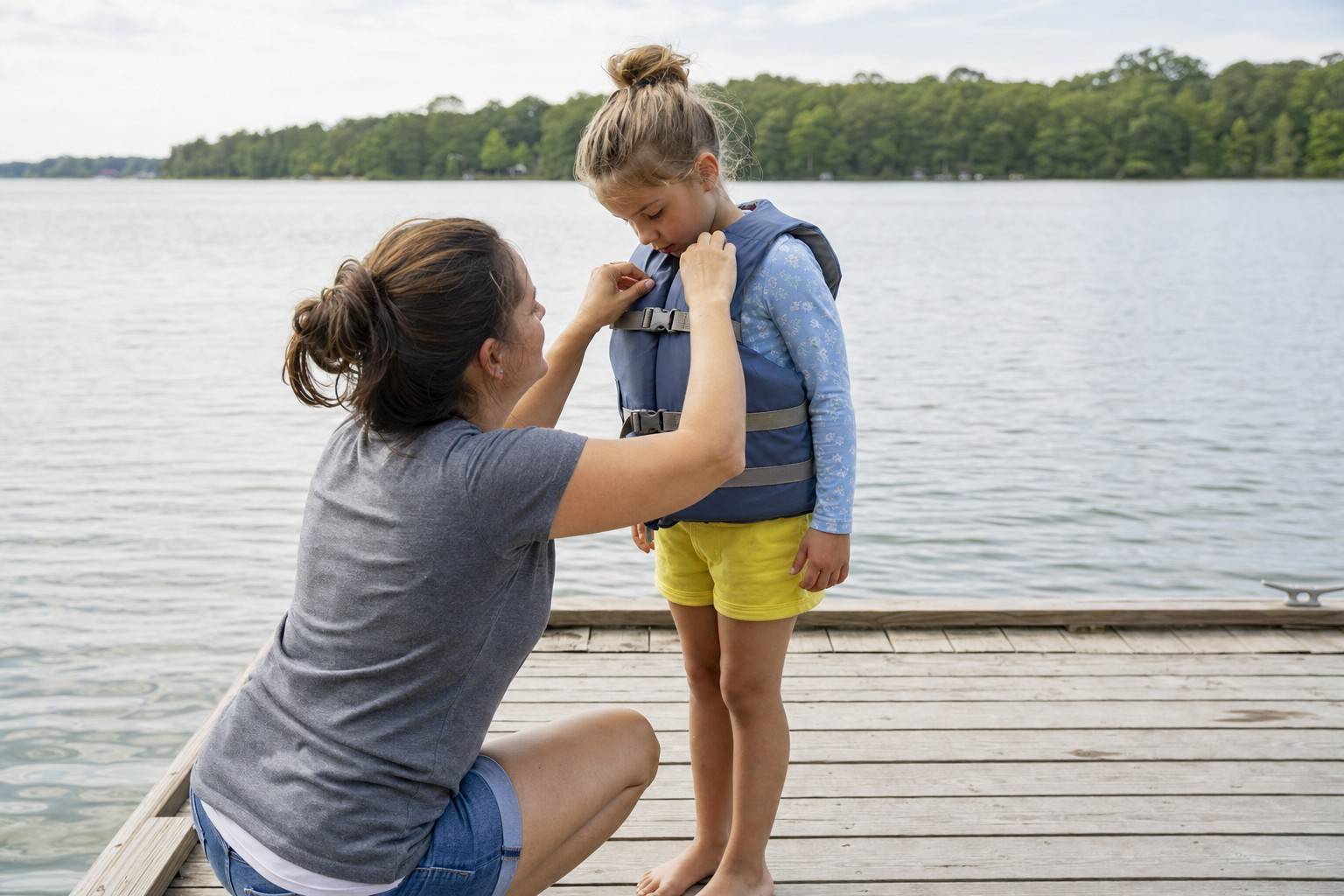
A life jacket that fits is the one thing worth checking every time.
That isn’t a small edge. In most of these cases it’s the whole difference between a scare and a tragedy.
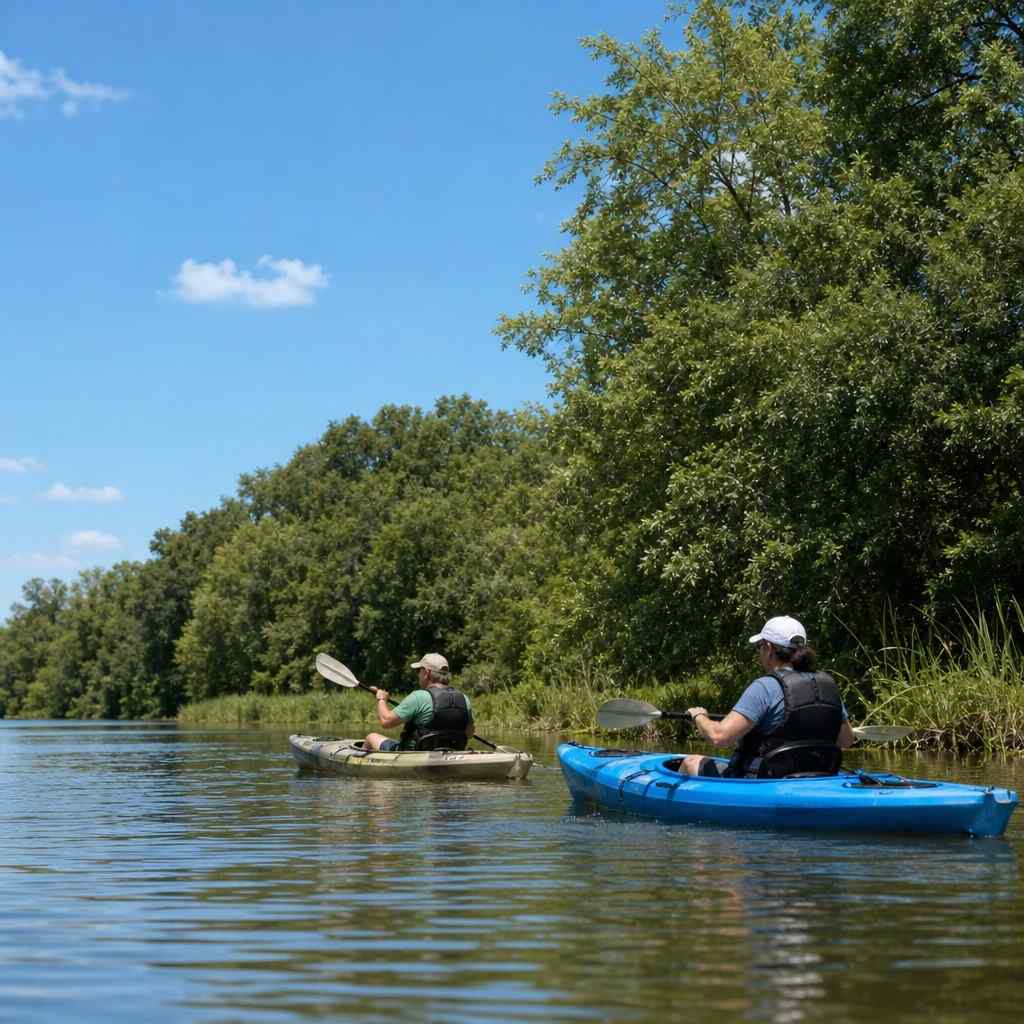
A life jacket only helps when you’re wearing it, not when it’s stowed under the seat. The same goes on a kayak or paddleboard, where it’s easy to treat one as optional on flat water.
“Nice days” are when most of it happens
It’s tempting to picture drownings in storms and rough water. The Coast Guard’s own life jacket guidance points the other way: most boating related drownings happen on nice days.
Calm, flat water is still the right place to start. The catch is that flat water invites people to relax the basics, and wind can turn a glassy lake choppy faster than most expect.
Keeping an eye on the wind is its own habit, and the lake safety basics cover it in more detail.
Alcohol shows up more than people expect
Alcohol was the leading known contributing factor in fatal boating accidents in 2023, tied to about 17 percent of the deaths, according to the Coast Guard report.
A cold drink feels like part of a relaxed afternoon, but the numbers say keep it on the dock, not on the water.
A little know-how goes a long way
In the same 2023 figures, most boating deaths happened on vessels run by someone who had no boating safety instruction.
You don’t need a formal course to enjoy a quiet morning on a lake. A short read before a first outing covers most of it, like knowing how a kayak sits and how to get back in if you tip.
What it adds up to for an ordinary lake day
The list is short. Wear a life jacket that fits. Keep an eye on the wind. Save the drinks for later. Don’t paddle far out on a first try.
Kids near the water need that first item every time, and a day at the dock with kids leans on it heavily. For the swim itself, lake swimming has its own differences from a pool.
None of this has to weigh down a good day. If it stops being relaxing, you’ve over-planned it.