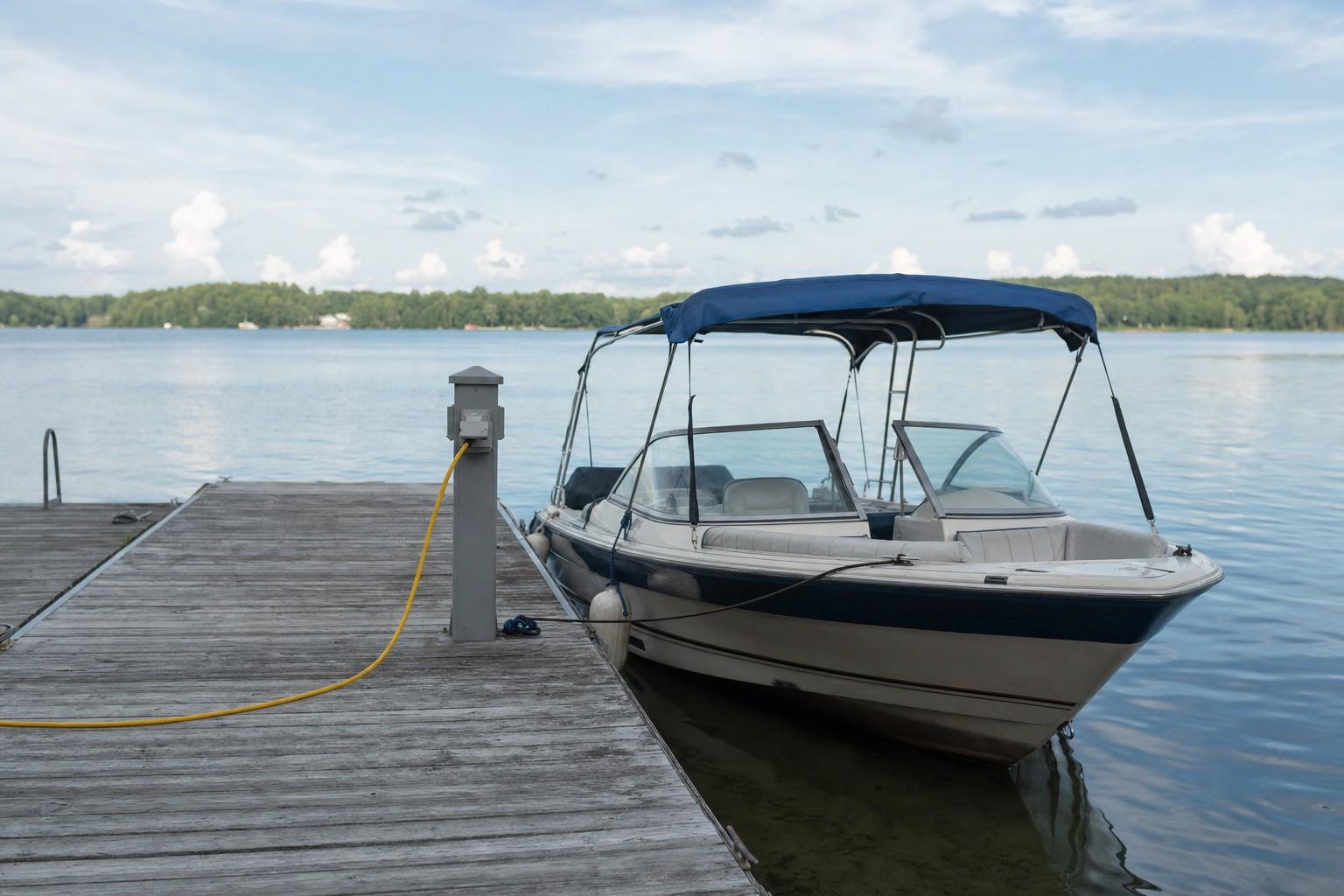

Most people assume the ocean is where the electrical hazards are. The opposite is true.
Electric shock drowning (ESD) is a freshwater problem, and lakes are exactly where it happens. According to the BoatUS Foundation, ESD is far more likely to occur in freshwater than saltwater.
The reason is counterintuitive. In fresh water, a swimmer’s body conducts electricity better than the surrounding water. Stray current doesn’t flow around you. It flows through you.
In salt water, the water itself carries the current well enough that it takes the easy path around a swimmer. In a lake, you’re the path of least resistance.
This is rare, and it’s almost entirely avoidable.
But it’s worth understanding, because ESD can look like an ordinary drowning of a healthy, capable swimmer.
What actually happens
ESD isn’t a dramatic, visible event.
It’s quiet and fast.
Small amounts of alternating current (AC) leaking into the water cause muscular paralysis, according to the BoatUS Foundation. That paralysis impairs a swimmer’s ability to stay afloat or call for help.
The victim often can’t move or signal. From shore, there’s no obvious sign anything is wrong.
It takes far less current than you’d expect. The amount needed to lock up a swimmer’s muscles is well below what it takes to trip a household circuit breaker.
Standard dock shore power is ordinary 120-volt household-type power, the same kind coming out of your kitchen wall.
The fault is often intermittent. A battery charger cycling on, an air conditioner kicking in, a water heater starting up. The water can look and feel perfectly safe, then energize in a split second.
Where it happens
This isn’t an open-water hazard. The Electric Shock Drowning Prevention Association reports that the majority of ESD deaths have occurred in and around public and private marinas and docks.
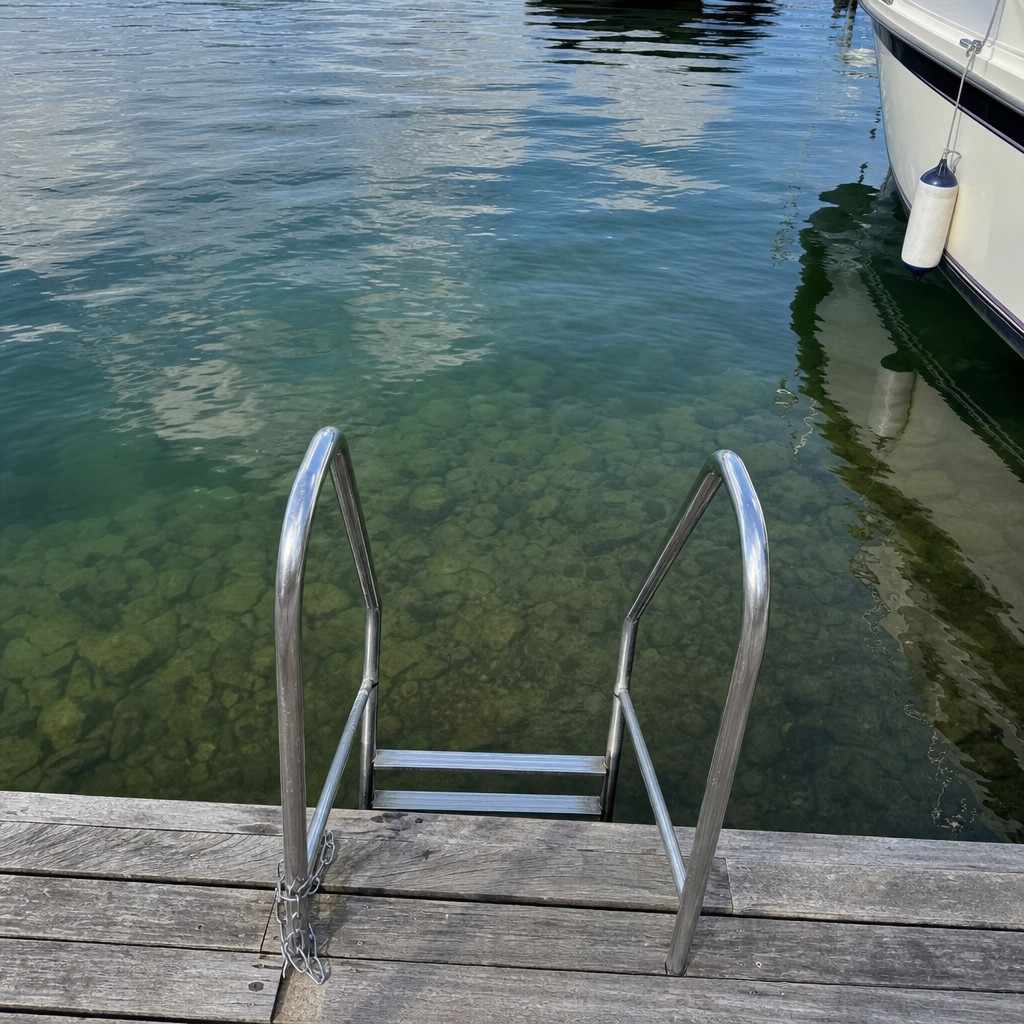
Think of the places where boats plug into shore power, where dock wiring runs down to the waterline, where a metal ladder dips into the water.
That’s the risk zone.
ESD is also widely considered under-reported. Because a victim often shows no obvious signs of trauma, an ESD death can be recorded simply as a drowning. That’s part of why so many swimmers have never heard of it.
A powered dock is no place to swim, no matter how calm and inviting the water looks. For a swim, open water well away from any marina or boatyard is the place to do it.
If you feel a tingle in the water
A tingling or shocking sensation in the water is a real warning. Don’t dismiss it.
The Electric Shock Drowning Prevention Association is clear on what to do:
- Swim away from the dock immediately, toward open water or shore.
- Don’t grab the metal dock ladder. Don’t touch the dock or any boat.
- Get out of the water.
- Tell everyone nearby to stay out, and alert the dock owner or marina staff.
The impulse to grab the nearest solid thing, especially a ladder, is natural. But that ladder is often exactly where the current concentrates.
Swimming parallel to the dock and away from it is the right move.
That same instinct matters for kids. If you’re spending a lake day with kids, keep them clear of dock edges and ladders at any marina with active shore power, even when the water looks calm.
What dock owners can do
If you own a dock or keep a boat plugged into shore power, the protection is well-established.
Ground-fault protection is the standard safeguard. Ground-fault circuit interrupters (GFCI) and equipment leakage circuit interrupters (ELCI) belong on shore-power pedestals and dock wiring. The Electrical Safety Foundation International also advises never swimming near a running or plugged-in boat, and having the electrical system inspected regularly by a qualified marine electrician.
A GFCI trips almost instantly when current leaks to a path it shouldn’t take. It won’t prevent every fault, but it can shut the system down before a swimmer is harmed.
The key word is “regularly.” A ground-fault device that hasn’t been tested in a few seasons isn’t reliable.
There’s a subtler thing to watch for, too. That low hum from a battery charger on a docked boat is a sign the boat is drawing power, and that the water nearby isn’t automatically safe.
What it means for an ordinary lake day
ESD is rare. For a swim at a quiet cove away from any dock or marina, it simply isn’t a factor. Most lake swimming happens nowhere near powered boats or shore connections.
The takeaway is narrow and practical. Swim in open water, away from marinas, boatyards, and powered docks. If something feels off in the water, trust it and get out.
For the wider picture, read up on what actually prevents lake drownings. ESD is one of several lakeside hazards that give no obvious visual warning.
A life jacket that fits is the one thing worth checking every time.
That applies here too. A swimmer who can’t move or call for help might still stay at the surface long enough to be rescued, and a fitted life jacket is what buys that time.
Pick your swim spot thoughtfully, stay well clear of powered docks, and the rest of the lake is yours.